

Understanding the odds: How casinos calculate payouts
The Illusion of Lucky Charms
One of the most enduring beliefs among casino-goers is that certain lucky charms or rituals can sway the odds in their favor. Many players carry specific items, such as coins or talismans, wear particular clothing, or perform pre-game rituals, convinced these actions can influence their luck. While exploring options at the best nz online casino , it is essential to understand that there is no scientific basis for the notion that such charms can alter game outcomes, which are primarily determined by random number generators and established probabilities.
The psychological effects of these rituals can create a false sense of control over the gambling experience. Engaging in superstitions may boost a player’s confidence and enhance relaxation, ultimately leading to a more enjoyable time at the gaming tables. While these rituals can add a personal touch and fun to the experience, they do not change the fundamental mechanics of the games in question. Recognizing this distinction is crucial for players who wish to avoid falling prey to superstitions and instead focus on strategy and well-informed decisions.
In reality, while the allure of lucky charms may be tempting, it is vital to accept that luck in casinos is not influenced by external factors such as personal rituals or objects. Each player starts on equal footing, with game outcomes dictated solely by the inherent randomness of gambling. Embracing this understanding can foster a healthier perspective on gaming, allowing players to enjoy their experiences without the burden of unproven beliefs clouding their judgment.
Hot and Cold Streaks Explained
The belief in hot and cold streaks is another common myth among gamblers. Many players refer to specific machines or tables as being « hot, » suggesting they are paying out more frequently, while others fall under the « cold » category. This perception can lead players to make irrational decisions based on these perceived patterns, despite the fact that each spin or hand is an independent event with outcomes unrelated to previous results. The randomness inherent in gambling means that past performance does not influence future payouts.
Statistically, every game in a casino is designed to operate on the principle of randomness. Outcomes are determined by sophisticated algorithms that disregard prior results. For instance, a slot machine that hasn’t paid out in several spins is not more likely to pay out in the next round; the probabilities reset with every play. Understanding this can help prevent players from falling into the trap of “chasing losses” based on erroneous beliefs about streaks, ultimately leading to a more rational and enjoyable approach to gaming.
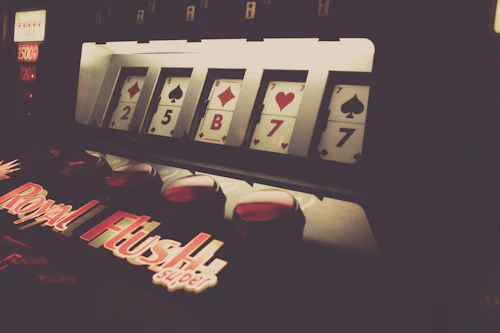
Recognizing the fallacy of hot and cold streaks is crucial for maintaining a healthy gambling mindset. By concentrating on strategy rather than misguided beliefs about patterns, players can make more informed choices and improve their overall gambling experience. This clarity encourages a focus on entertainment and enjoyment rather than the undue stress that can arise from chasing perceived streaks, fostering a healthier relationship with gambling in the long term.
The Role of Skill vs. Luck
In many gambling scenarios, particularly in games like poker or blackjack, the balance between skill and luck is a frequent topic of discussion. Some players assert that skilled participants possess a significant edge, believing that their success stems from their expertise. While it is undeniable that skill can influence outcomes in specific games, it is crucial to understand that luck will always play a substantial role in the gambling experience.
In skill-based games, proficient players can enhance their odds of winning by grasping game strategies, assessing probabilities, and effectively reading their opponents. However, no amount of skill can guarantee victory, as the element of chance remains a constant factor. For instance, a skilled poker player may encounter a series of unfortunate hands, undermining their expertise. Acknowledging the interplay of skill and luck equips players with a balanced perspective, allowing them to appreciate both elements of the gaming experience.
Moreover, recognizing the dual nature of luck and skill encourages players to focus on continuous improvement and education. By actively honing their skills through practice, players can maximize the advantages that expertise offers while accepting that randomness is an inherent part of gambling. This perspective not only fosters personal growth but cultivates resilience and adaptability when navigating the inevitable highs and lows of the gambling experience.
The Myth of the « Due » Game
The belief that a specific game, machine, or table is « due » for a win after a series of losses is a widespread misconception rooted in the gambler’s fallacy. This fallacy suggests that past outcomes can influence future results, leading players to believe that a specific slot machine, for instance, has a higher likelihood of paying out following a prolonged dry spell. However, this belief fundamentally misunderstands the principles of probability and randomness that govern gambling.
Each play in a casino is an isolated event, and the odds remain unchanged regardless of previous outcomes. The idea of being « due » reflects a misunderstanding of statistical independence and can lead players to make decisions that detract from their enjoyment and financial well-being. Accepting that each outcome is independent allows players to approach gaming with a clearer understanding of risk versus reward, thereby enhancing their overall experience.
In practical terms, players can benefit from grasping the mechanics of the games they choose to engage with. Instead of relying on the notion that a game is « due » for a win, players should set clear limits and focus on enjoying the game rather than expecting a payout. By adopting a responsible gambling approach, players can enhance their experiences without the pressure and anxiety that often accompany the belief that luck must eventually favor them.
Understanding Responsible Gaming and Resources
As we debunk common casino myths, it is essential to emphasize the importance of responsible gaming. The allure of luck and chance can lead to misconceptions that may adversely affect a player’s gaming habits. Responsible gaming practices not only protect players from potential financial pitfalls but also enhance their overall enjoyment of the gaming experience. The foundation of responsible gaming is built on awareness, self-regulation, and informed decision-making.
Many casinos and gaming platforms offer resources designed to help players understand the significance of setting limits on both time and money spent. These resources often include self-exclusion options, tips for responsible gambling, and guidance on recognizing the signs of problem gambling. By utilizing these tools, players can cultivate a healthier relationship with gambling, allowing them to enjoy the activity without compromising their well-being or financial stability.
In conclusion, understanding the realities of gambling can lead to a more enriching experience for players. By debunking myths and promoting responsible gaming, individuals can engage in casino activities with clarity and appreciation for the entertainment value they provide. As you navigate the exhilarating world of gambling, keep these insights in mind, and remember to seek out supportive resources that promote a fun, safe, and healthy gaming environment. Embrace the journey and relish the thrill of the game with a well-informed mindset.


 ADRESSE POSTALE
 MAIL
MAIL